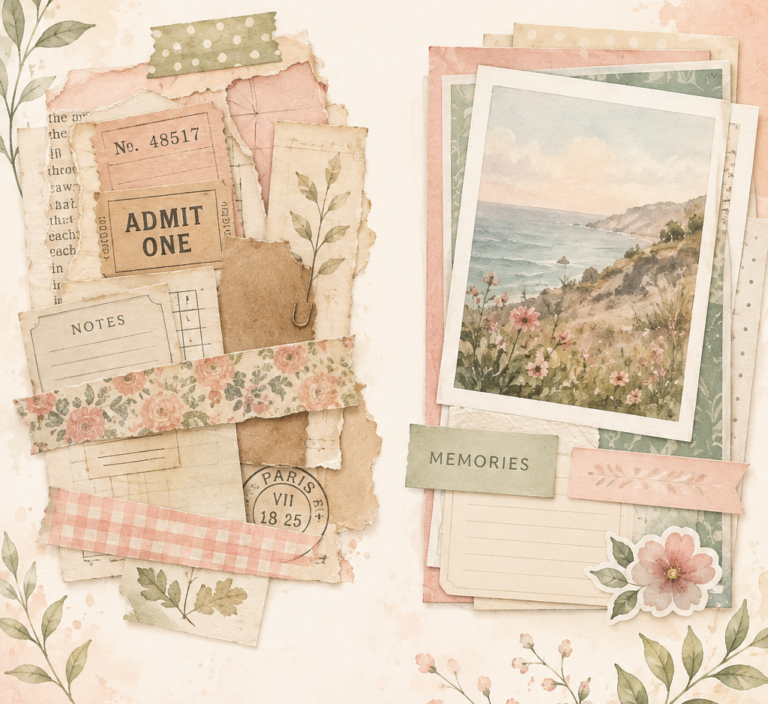
Creating a reading journal is a fun way to keep track of the books you read. It helps you remember what you liked and what you learned. A reading journal can also spark your imagination and enhance your reading experience. Let’s dive into how you can start your own reading journal today.

Why Start a Reading Journal?
A reading journal is more than just a notebook. It is a space to explore your thoughts. You can write about characters, themes, or quotes that stand out to you. This practice makes reading more engaging. It helps you remember details long after you finish a book.
Imagine reading a thrilling story. You finish the last page and feel a rush of emotions. With a reading journal, you can capture those feelings. You can write down why you loved the book or what you might change. This process deepens your understanding.

Crafting Her Plans
Ready to plan it all out? We’ve got you.
Head over to the shop for printable planners and journals you can download and start using today.
Browse the shop →Choosing Your Journal
The first step is to choose the right journal. You can use a blank notebook, a planner, or a digital app. Think about what works best for you. If you love writing by hand, a nice notebook is perfect. If you prefer typing, look for an app that fits your needs.
When picking a journal, consider size and style. A small notebook is easy to carry. A larger one gives you more space to write. You might choose a colorful design or a simple one. Whatever makes you happy is best.
Popular Journal Types
| Journal Type | Description | Best For |
|---|---|---|
| Blank Notebook | Simple, unstructured pages | Creative expression |
| Planner | Structured with dates and tasks | Scheduling reading time |
| Digital App | Online platform for tracking | Easy access and updates |
Decide What to Track
Next, think about what you want to include in your journal. Here are some ideas:
- Reading List: Start with a list of books you want to read. This list keeps you focused. You can check off books as you finish them.
- Book Reviews: After reading a book, write a short review. Share what you liked and didn’t like. This helps you remember your thoughts later.
- Quotes: Write down favorite quotes. These can inspire you or make you think. You might find that a few words can stick with you for a long time.
- Characters: Keep track of characters. Write who they are and what they do. Note your thoughts on their actions. This can help you connect with the story better.
- Themes: Consider the themes of the books you read. What messages do you see? Writing about themes can deepen your understanding of the book.
Additional Tracking Ideas
- Reading Dates: Document when you started and finished each book.
- Ratings: Give each book a rating based on your enjoyment.
- Genres: Track the genres you read to explore your preferences.
- Recommendations: Note any recommendations from friends or family.
Creating Your Layout
Now that you have ideas, it’s time to create your layout. You can be as creative as you want!
Title Page
Start with a title page. Write “My Reading Journal” or something similar. Decorate it with drawings or stickers. This page sets the tone for your journal.
Table of Contents
Make a table of contents. This helps you find things easily. Number your pages and write down what each section is about.
Section Dividers
Use dividers to separate sections. You can make tabs or use paper. This makes it easy to flip to the part you need.
Page Layout
Decide how you want each page to look. Include a space for the book title, author, and date read, and leave room for your thoughts and quotes.

Adding Special Pages
Special pages can make your journal unique. Here are some ideas for extra pages:
Wish List
Create a wish list for books you want to read. It can be fun to track what you hope to pick up next.
Reading Challenges
Set up a page for reading challenges. You might challenge yourself to read a certain number of books. This keeps you motivated.
Book Club Notes
If you are in a book club, create a page for notes. Write down what you want to discuss. This can help you engage more in meetings.
Personalizing Your Journal
Make your journal reflect your style. Here are some fun ways to add your touch:
Stickers and Colors
Use stickers to decorate your pages. You can also add color with markers or highlighters. This makes the journal more enjoyable to look at.
Doodles
If you like to draw, add doodles. You can illustrate scenes from books or create fun borders.
Photos
Add photos of book covers or places you read. This adds a personal touch and can spark memories.
Keeping It Consistent
To get the most out of your reading journal, write regularly. Set aside time each week to update it. After finishing a book, write your thoughts right away. This keeps your memories fresh.
Schedule Your Time
You could pick a specific day to write, like every Sunday. Or write after finishing each book. Find a routine that works for you.
Reflect on Your Progress
Every month, look back at what you wrote. Reflect on what you learned. This can help you see how your reading has evolved.
Conclusion
Starting a reading journal is a great way to enhance your reading experience. It helps you track your thoughts, feelings, and favorite moments. By choosing the right journal, making it personal, and writing consistently, you can create a valuable resource for yourself.
So, grab your favorite notebook or open that app. The adventure of creating your reading journal awaits! You will find joy in your reading and a deeper understanding of the stories you love. Happy reading!