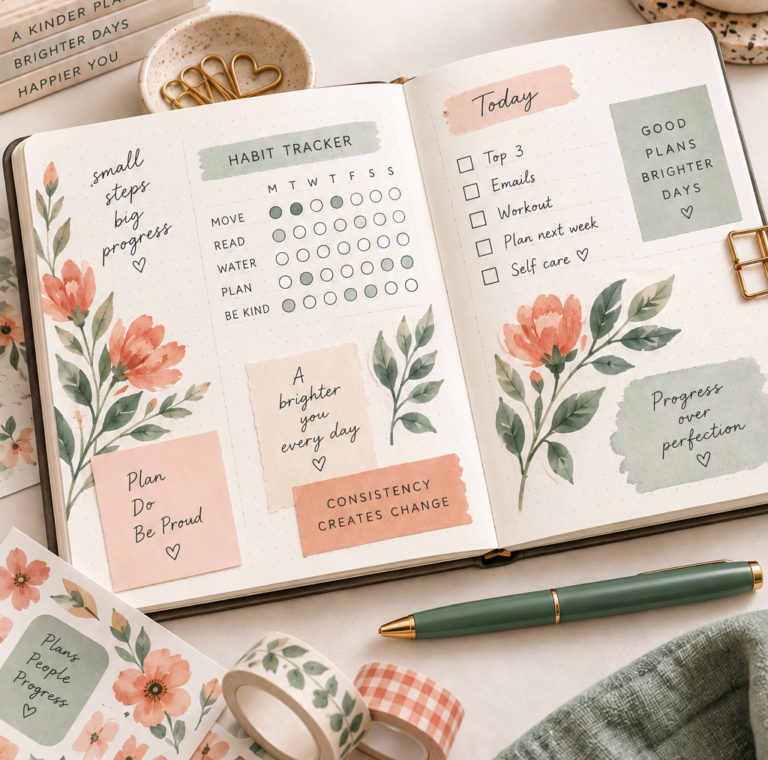
Are you drowning in tasks, appointments, and deadlines? Feeling overwhelmed by the chaos in your schedule? Planners could be your lifeline. These handy tools help you organize your busy life, but with so many options available, how do you choose the right one?
In this post, we’ll explore the pros and cons of daily, weekly, and monthly planners. By understanding your unique needs, you’ll find the perfect planner to streamline your life.

Understanding Your Needs
Assessing your lifestyle and organizational preferences is crucial before selecting a planner. Do you thrive on detailed daily tasks or prefer a broader overview of your goals? Assessing your needs will help you find the planner that best suits your style.

Crafting Her Plans
Ready to plan it all out? We’ve got you.
Head over to the shop for printable planners and journals you can download and start using today.
Browse the shop →Identify Your Planning Style
Everyone has a unique approach to planning. Some prefer jotting down every detail, while others take a more laid-back approach with broad strokes. Identifying your style helps you select a planner that complements your habits.
Consider Your Time Management
Another important factor is how you manage your time. If you juggle multiple tasks daily, a detailed planner could be your best friend. A weekly or monthly planner might be more appropriate if your tasks are more spaced out.
Set Your Goals
Understanding your short-term and long-term goals can also guide your planner choice. Daily planners are great for immediate tasks, while weekly and monthly planners help with medium-term and long-term goals.
Daily Planners
Core Features of Daily Planners
Daily planners offer an in-depth look at each day, with dedicated pages for appointments, tasks, and notes. They’re ideal for busy individuals who need to track every hour of their day.

Layouts and Customization
Typical layouts include sections for hourly schedules, to-do lists, and notes. Many daily planners also offer customization options, allowing you to tailor the layout to your specific needs.
Usability Insights
Daily planners provide a granular view of your day, making them highly effective for detailed planning and time management. However, they can be overwhelming if you don’t have many daily tasks.
Pros and Cons
Pros
- Detailed daily tracking
- Effective for time management
- Highly customizable
Cons
- Can be overwhelming
- May not be necessary for those with fewer daily tasks
Recommended Brands
- Moleskine Daily Planner: Known for its quality and durability.
- Panda Planner: Offers sections for productivity and happiness tracking.
Weekly Planners
Core Features of Weekly Planners
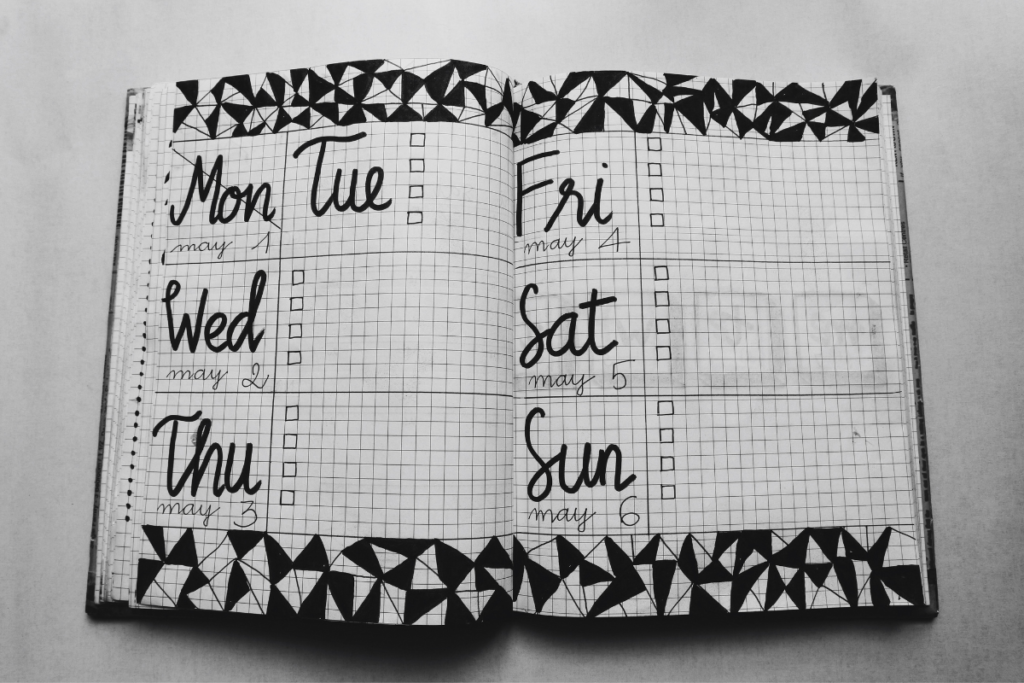
Weekly planners strike a balance between daily and monthly planners. They provide an overview of your week, helping you manage medium-term tasks and goals.
Layouts and Customization
Weekly planner layouts typically include sections for each day of the week, along with spaces for weekly goals and notes. Customization options are available, allowing you to adjust the layout to suit your needs.
Usability Insights
Weekly planners are versatile and practical, making them suitable for most people. They offer enough detail for effective planning without being overwhelming.
Pros and Cons
Pros
- Balanced detail
- Suitable for most people
- Versatile and practical
Cons
- May lack daily detail
- Not ideal for long-term planning
Recommended Brands
- Leuchtturm1917 Weekly Planner: Known for its quality paper and layouts.
- Passion Planner: Offers sections for weekly focus and reflection.
Monthly Planners
Core Features of Monthly Planners
Monthly planners provide a broad overview of your month, making them ideal for long-term goal tracking and planning.

Layouts and Customization
Layouts typically include monthly calendars, sections for goals, and notes. Customization options are available, allowing you to design the planner to fit your needs.
Usability Insights
Monthly planners are excellent for long-term planning and goal tracking. However, they may lack the detail needed for daily or weekly tasks.
Pros and Cons
Pros
- Excellent for long-term planning
- Provides a broad overview
- Ideal for goal tracking
Cons
- Lacks daily detail
- Not suitable for detailed task management
Recommended Brands
- Erin Condren Monthly Planner: Known for its customizable layouts.
- Blue Sky Monthly Planner: Offers affordable and functional designs.
Comparing the Options
Flexibility
Daily planners offer the most flexibility for detailed planning, while weekly and monthly planners provide more structured layouts.
Time Management
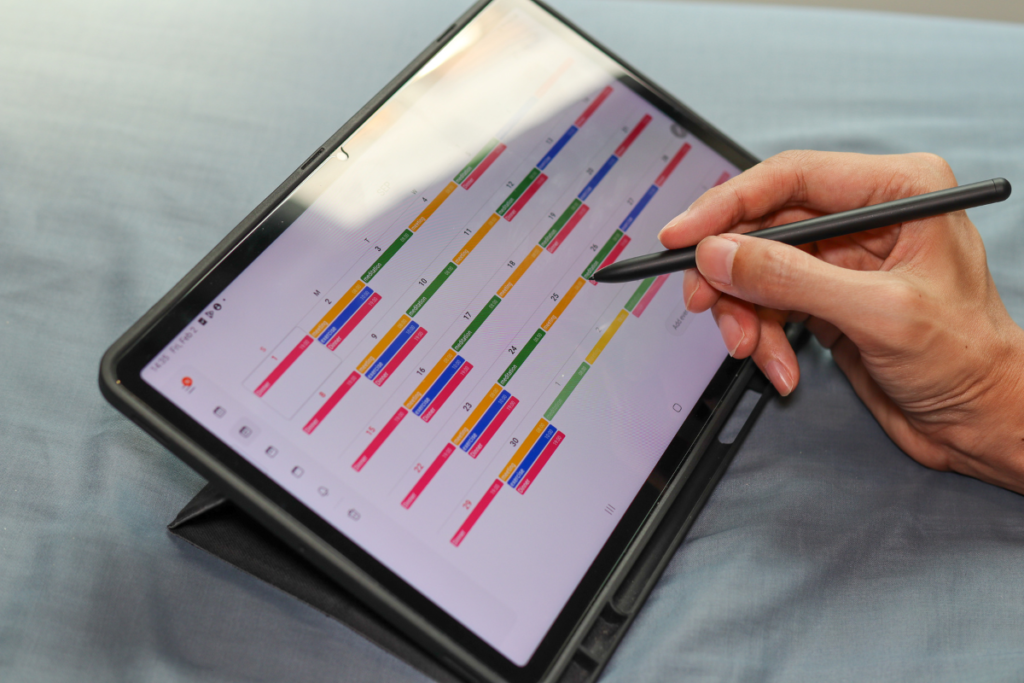
Daily planners excel in time management, offering detailed hourly tracking. Weekly planners provide a balanced approach, while monthly planners focus on long-term goals. Don’t forget to consider digital planners if you aren’t a big fan of paper-based – they have the same options.
Goal Tracking
All three planner types support goal tracking but in different ways. Daily planners are ideal for short-term goals, weekly planners for medium-term goals, and monthly planners for long-term goals.
Tips for Effective Planning
Consistency is Key
Regardless of the planner type, consistency is crucial. Make it a habit to update your planner regularly to stay organized.
Prioritize Your Tasks
Use your planner to prioritize tasks based on urgency and importance. This helps you stay focused and productive.
Review and Adjust
Regularly review your planner to track your progress and make adjustments as needed. This ensures that you stay on track with your goals.
Conclusion
Finding the right planner can transform your organizational skills and boost your productivity. Whether you choose a daily, weekly, or monthly planner, the key is to find one that suits your lifestyle and goals. Start exploring your options today and take the first step towards a more organized life.